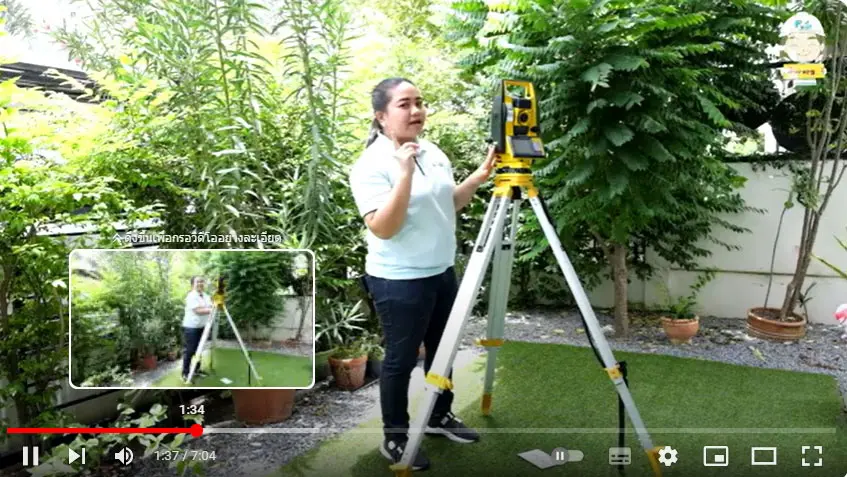
Calibration of surveying instruments is crucial to ensure accurate, reliable, and precise measurements. This is especially important when performing tasks that require high precision, such as construction, land surveying, and mapping. Here are some reasons why calibration is essential:
- Accuracy: Surveying instruments, like total stations and theodolites, are used to measure distances, angles, and elevations. Regular calibration helps ensure that these measurements are accurate, reducing the chances of errors when calculating horizontal or vertical distances, or measuring angles.
- Efficiency: When your instrument is properly calibrated, it works more efficiently. Calibration reduces errors that may lead to rework, saving time and costs. It allows the surveyor to trust their readings and work faster, knowing that the data is correct.
- Data Reliability: Reliable data is essential for further analysis, planning, and decision-making. Calibrating the instrument ensures that the information collected is precise and trustworthy, which is vital when the data is used for designs, maps, or legal records.
- Longevity of Equipment: Calibration also helps maintain the instrument in good condition. Ensuring that the instrument performs within its specifications can prevent excessive wear and tear, thereby extending its life.
- Compliance with Standards: Calibrated instruments comply with industry standards and legal regulations. In some cases, professional or governmental bodies require periodic calibration to meet specific regulations for accuracy and reliability in surveying work.
In general, it is recommended that surveying instruments be calibrated at least once a year, or every six months, depending on usage, environmental conditions, and the type of instrument.